Spatial Thinking & 3D Modeling Laboratory

Help Students Think in Real Dimensions

Use classroom activities to explore scale, proportion, fit, reference objects, and dimensional reasoning through simple 3D-design projects.

Live Dimension & Fit Inspector
7.5mm × 12.0mm × 8.0mm
Active Object:Standard Pencil Clip
Calculated Bound:7.5mm × 12.0mm × 8.0mm
Printer Tolerance:± 0.2 mm (Snug Fit)
Applied Ratio:1:1 (Real Scale)

Reference Objects

Tangible real-world baseline

Measure real items with calipers before opening Tinkercad workplanes.

Clearance & Tolerance

Mechanical joint essentials

Master offsets to ensure printed parts slide, lock, and fit without reprinting.

Proven Classroom Impact

Measurable Outcomes in Spatial Learning & 3D Proportions

ScaleSense delivers data-backed classroom scale activities, structured 3D design measurement lessons, and hands-on Tinkercad dimension projects that transform spatial geometry understanding.

7+

Years on Market

Continuous curriculum development and classroom validation across global STEM educational programs.

1,450+

Active Classrooms

Partner institutions actively running practical classroom scale activities and measurement labs.

88,000+

Completed Projects

Student-designed 3D design measurement lessons and verified Tinkercad dimension projects completed.

94%

Average First-Fit Rate

Average dimensional accuracy result on initial print fit tests without manual scaling revisions.

Empowering Spatial Mastery Worldwide

All statistical metrics are verified through quarterly teacher evaluation logs and rubric grading reports.

Explore Lessons
Implementation Roadmap

Structured Classroom Adoption Pathway

A progressive instructional schedule detailing concrete classroom objectives across the first week, first month, and first academic quarter. Strictly curricular benchmarks without speculative projections.

Sep 01 – Sep 03, 2026Stage 1

Caliper Literacy & Physical Reference

Learners handle analog and digital vernier calipers. Students measure desk objects to build physical baselines before opening 3D software.

  • Baseline verification in millimeters
  • Hands-on tolerance measurement
  • Student reflection recording
Sep 04 – Sep 05, 2026Stage 2

Digital Workplane & Single-Axis Scaling

Translating tactile measurements directly into the digital coordinate grid with strict constraints against arbitrary shape distortion.

  • X, Y, and Z dimension input
  • Constrained aspect ratio locks
  • Object bounding boxes analysis
Sep 06 – Sep 07, 2026Stage 3

First Iteration: The Fit Verification

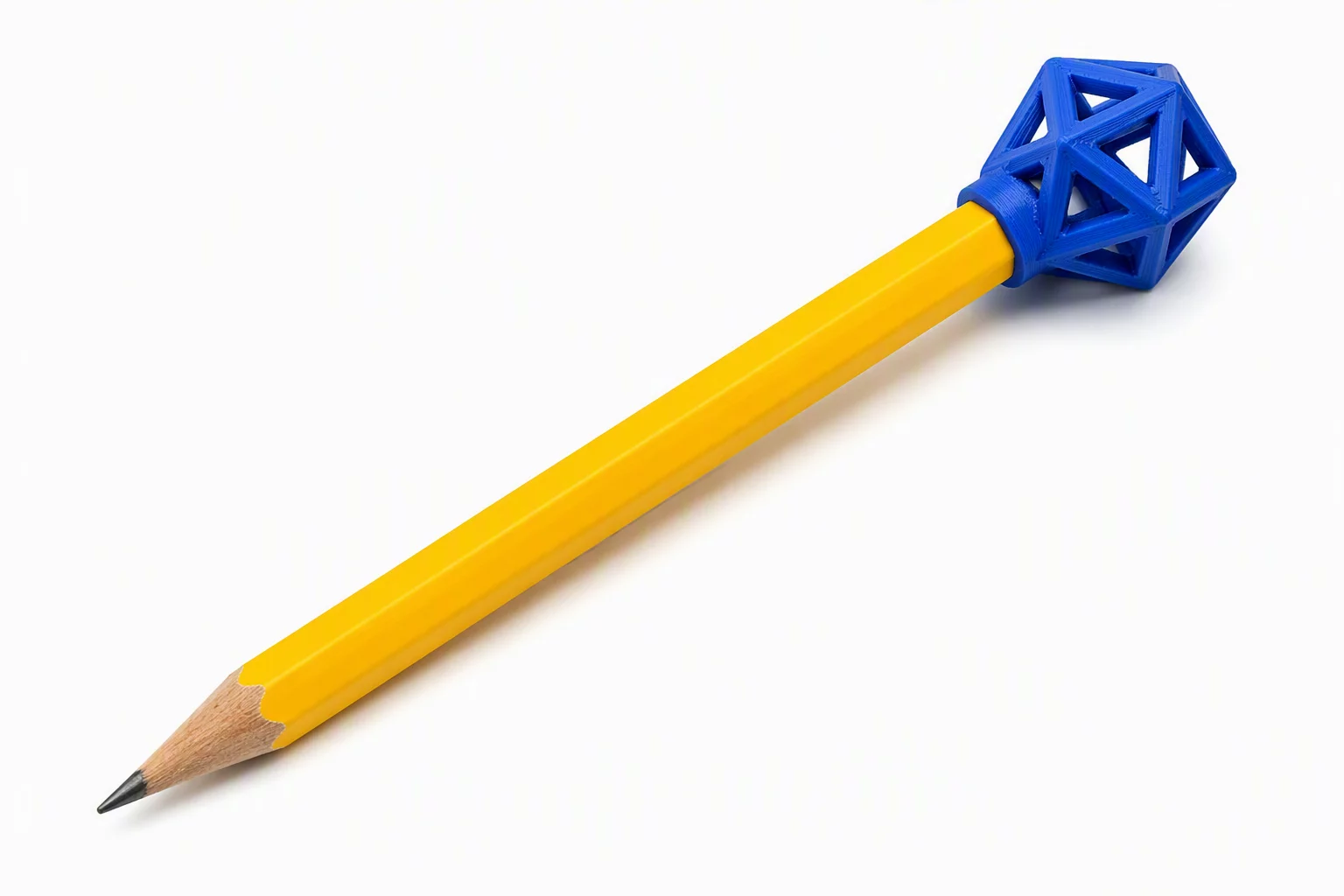
Students print an initial dimensional tester to check clearance against a standard classroom wooden pencil without decorative elements.

  • 0.4mm standard offset review
  • Friction fit diagnostic test
  • Immediate classroom feedback
Oct 01 – Oct 10, 2026Stage 4

Volumetric Ratios & Multi-Part Joints

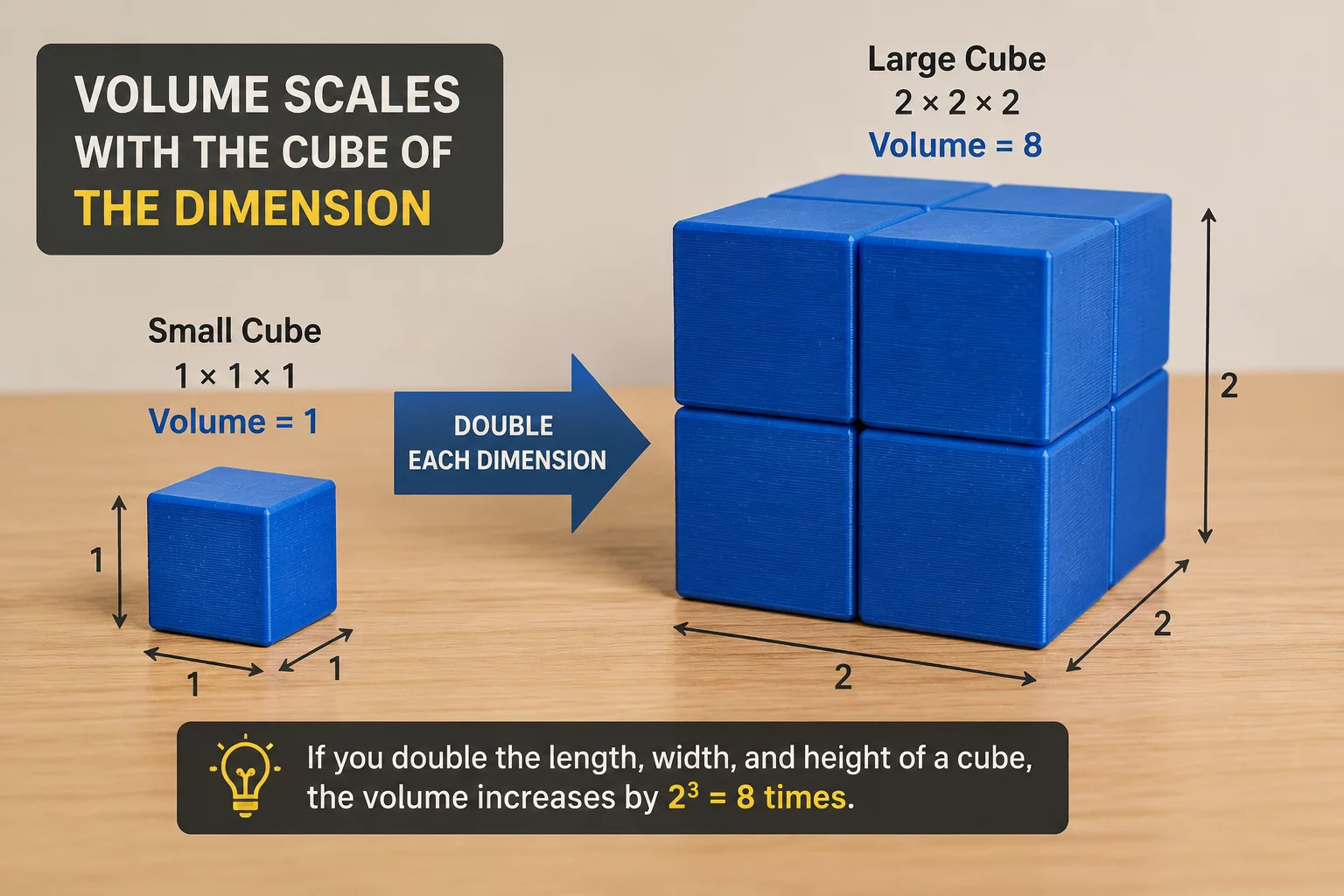
Students examine how scaling all three axes doubles surface area and increases volume eightfold, resolving interlocking component mismatches.

  • Cube volume multiplication experiments
  • Peg-in-hole tolerance charts
  • Mathematical conversion proofs
Oct 11 – Oct 20, 2026Stage 5

Real-World Artifact Enclosures

Designing protective cases and brackets tailored directly to physical classroom objects like rulers, battery packs, and basic sensors.

  • Perimeter measurement protocol
  • Internal clearance accounting
  • Wall thickness stability metrics
Oct 21 – Oct 31, 2026Stage 6

Mid-Term Assessment & Dimension Audits

Peer reviews where students exchange physical prints and audit each other's 3D models using standardized scoring rubrics.

  • Peer review calibration sheets
  • Variance identification process
  • Corrective modeling cycles
Nov 01 – Nov 12, 2026Stage 7

Ergonomics & Human Proportions

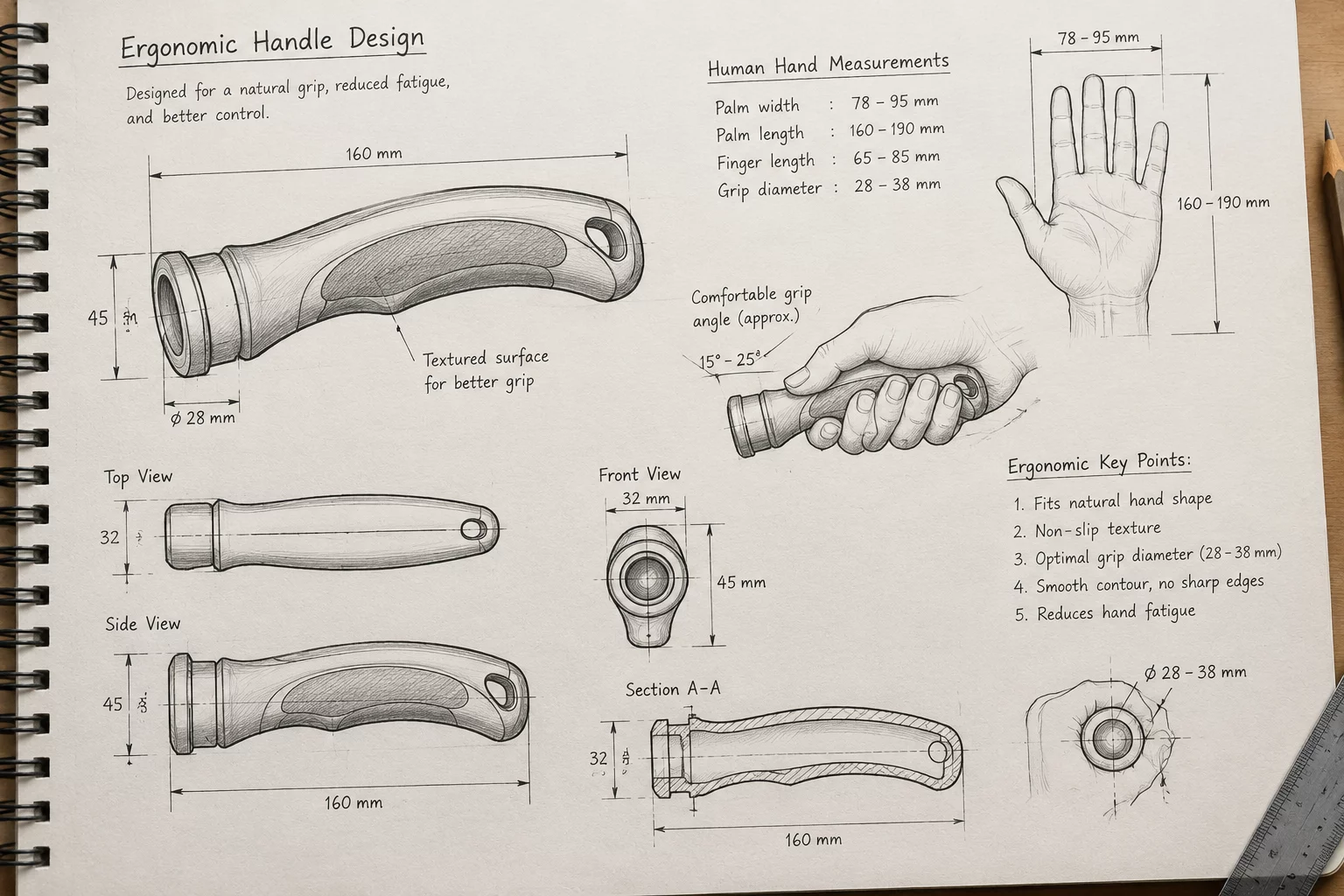
Transitioning from static geometric objects to human-centered grips, levers, and handles, taking natural hand morphology into account.

  • Palm and finger grip clearances
  • Load-bearing cross-section checks
  • Tactile user experience tests
Nov 13 – Nov 22, 2026Stage 8

Tolerance Calibration Systems

Advanced fit protocols testing snap-fit pins, hinges, and sliding rails across different filament shrinkage rates and printer parameters.

  • 0.2mm to 0.6mm gap benchmarks
  • Interlocking hinge durability
  • Printer deviation correction
Nov 23 – Nov 30, 2026Stage 9

Quarterly Capstone: Scale Model Systems

Final comprehensive project: creating precise scaled architectural assemblies with multi-part components that fit on first print run.

  • Multi-scale component assembly
  • Formal documentation delivery
  • Zero-waste fit verification

Ready to implement this curriculum in your classroom?

All lesson guides, measurement worksheets, and rubric standards are aligned with standard middle-to-high school 3D modeling programs.

Clear Answers & Support

Common Concerns, Fully Solved

Implementing spatial reasoning and dimensional accuracy should feel effortless. Here is how ScaleSense removes every barrier for teachers and classrooms.

Budget & Hardware

Do we need expensive 3D printers and high-end hardware?

No expensive equipment is required. ScaleSense activities work seamlessly on standard Chromebooks, classroom tablets, and open-access web tools like Tinkercad.

Every single spatial exercise can be completed using physical calipers, classroom rulers, and printable dimension sheets without operating a single 3D printer.

Curriculum Timing

Will these exercises take too much time away from core lessons?

Each exercise is structured modularly into 15-minute quick measurement drills, 45-minute standalone challenges, or multi-session project labs.

Teachers can directly slot exercises into existing mathematics, geometry, physics, or technology units without restructuring their full syllabus.

Ease of Learning

Is 3D design software too steep for younger students?

Our lessons eliminate complex CAD jargon by focusing purely on observable reference objects, grid snapping, and tangible scale comparisons.

Students begin with basic real-world object measurements before ever moving digital vertices, ensuring intuitive spatial confidence from day one.

Instructional Aids

What methodological materials and grading rubrics are included?

Every lab activity includes ready-to-print student worksheets, clearance guides, scale factor cheat sheets, and step-by-step teacher facilitation plans.

Objective assessment rubrics make evaluating student dimensional accuracy and tolerance reasoning straightforward and reproducible.

Still have questions about classroom integration?

Explore our methodological materials or reach out directly to learn how spatial reasoning easily fits your classroom goals.

Structured Curriculum

Explore 3D Design Measurement Lessons

Build spatial intuition through hands-on classroom scale activities. Each module teaches foundational proportion control, digital caliper accuracy, and real-world tolerance verification for makers of all levels.

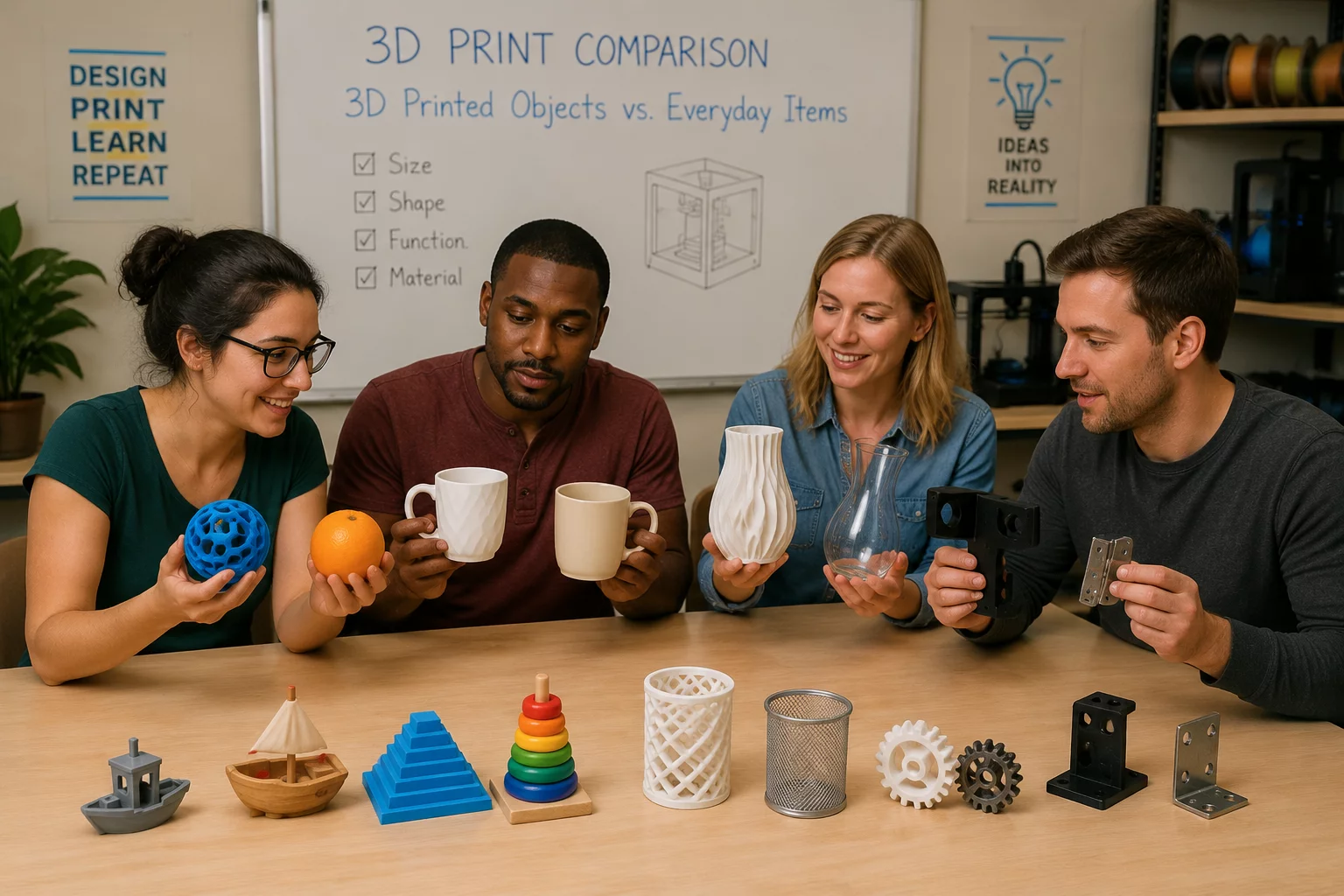
Reference Object Activity
Hands-on 35 min

Reference Object Activity

Compare 3D printed objects against real physical benchmarks to master spatial accuracy and unit conversion in classroom scale activities.

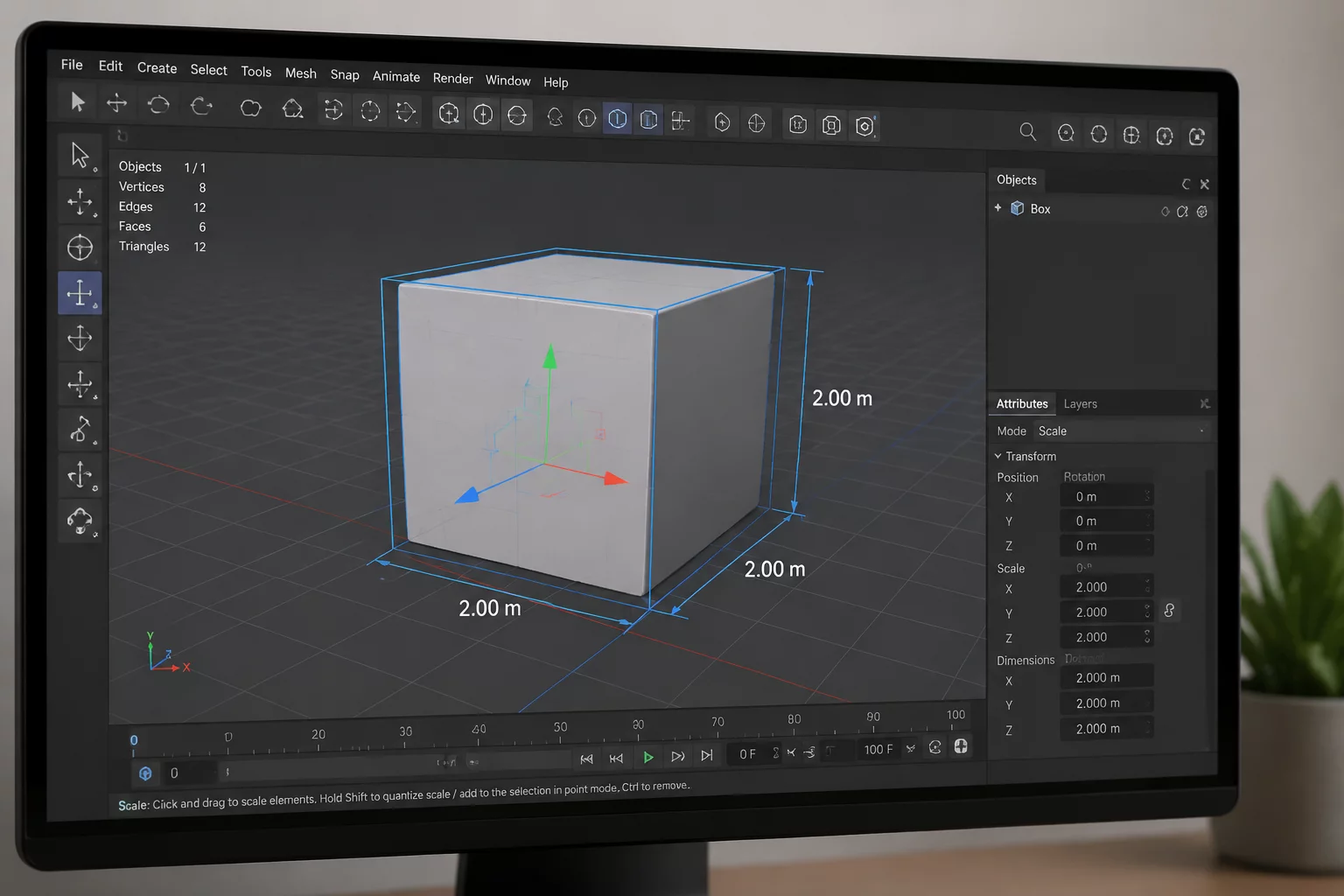
Scale Up Scale Down
Modeling 45 min

Scale Up Scale Down

Master uniform and non-uniform axis scaling with 3D design measurement lessons that teach volume expansion and surface ratios.

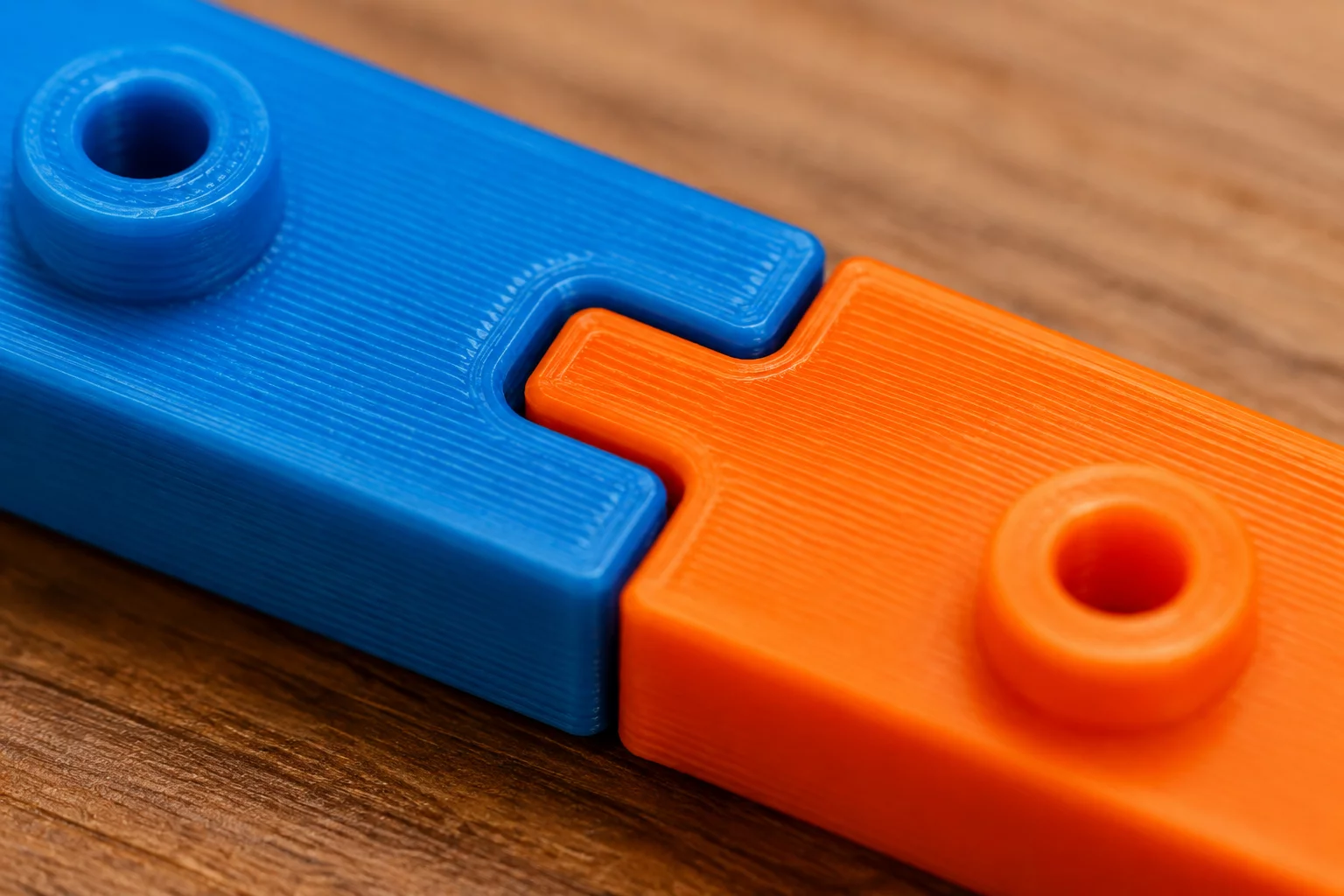
Fit Challenge
Engineering 50 min

Fit Challenge

Calculate clearance gaps and interlocking tolerance boundaries so multi-part assemblies slide together without friction or excessive slack.

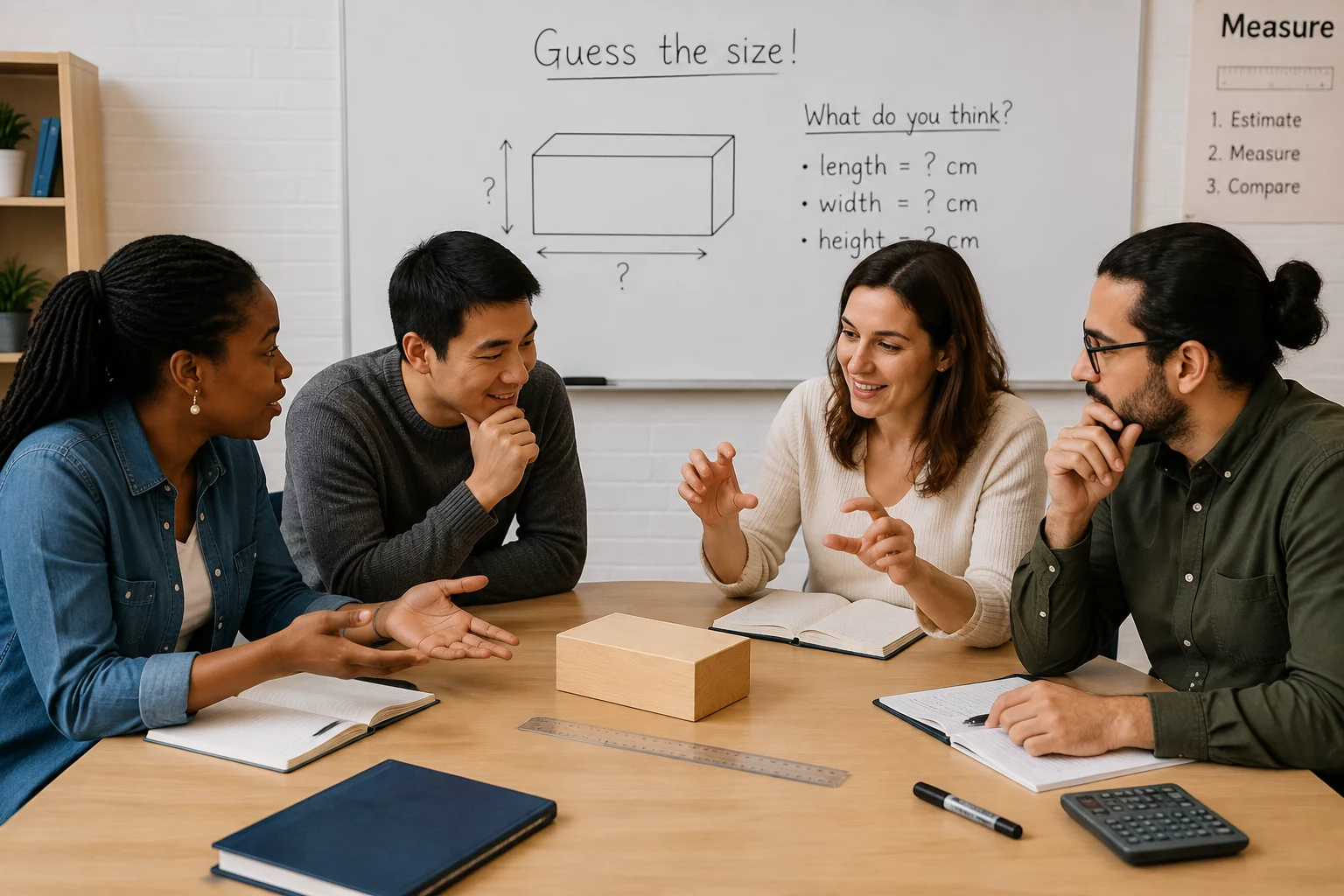
Dimension Estimation
Estimation 30 min

Dimension Estimation

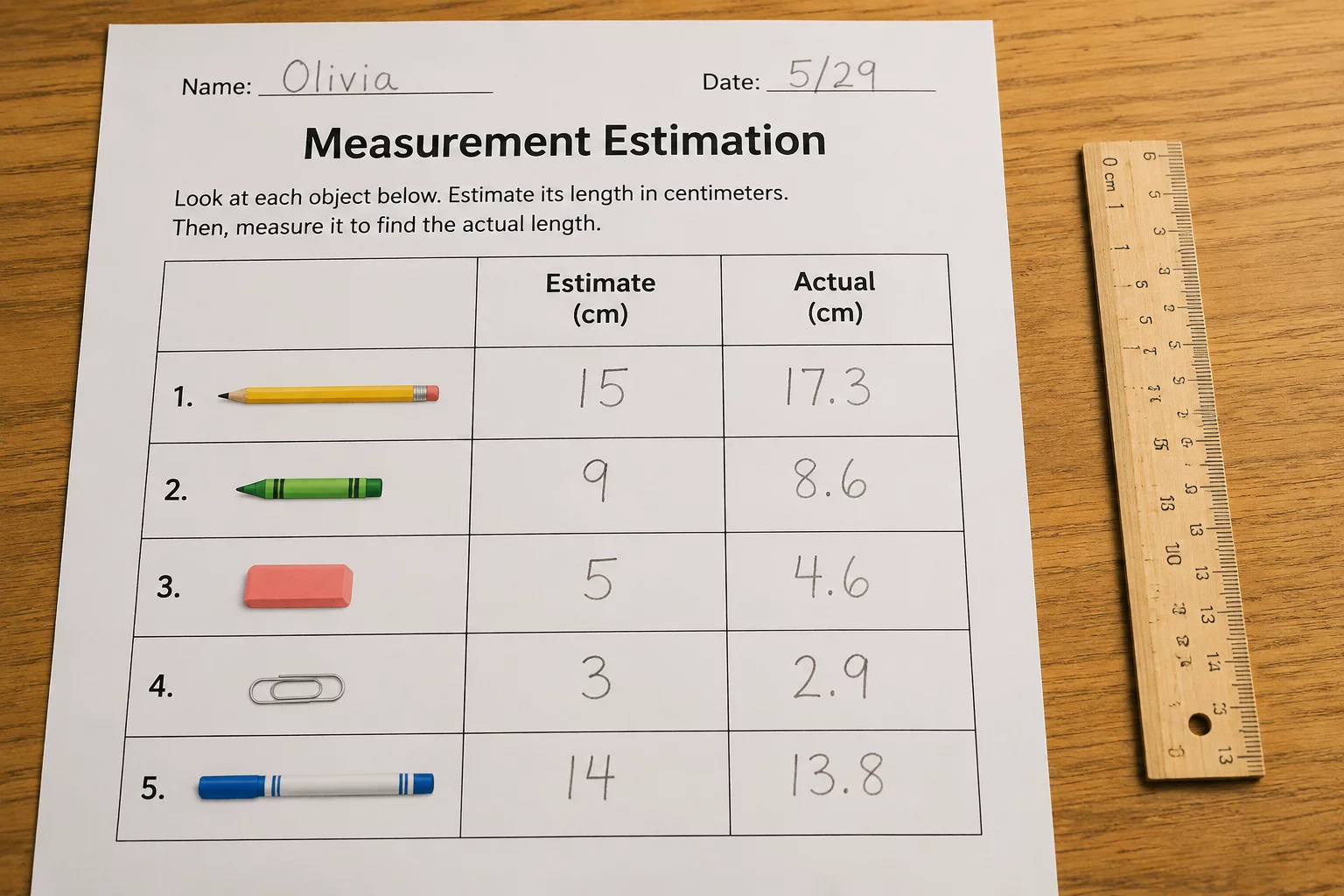
Strengthen mental spatial estimation before verifying with digital calipers to refine intuitive geometric judgment and error checking.

Curriculum Resources

Methodological Materials & Guides

Explore practical worksheets, printable rubrics, and spatial reasoning guides tailored for 3D design educators and students.

Need the complete teaching toolkit?

Access all 14 classroom guides, grading rubrics, and scale factor worksheets.

Browse All Materials